#work

#work

July 23, 2022

Exif
  • Copyright: Ciprian R.

July 23, 2022

Exif
  • Copyright: Ciprian R.

July 23, 2022

Exif
  • Copyright: Ciprian R.

July 23, 2022

Exif
  • Copyright: Ciprian R.

July 23, 2022

Exif

Trash the Dress

July 23, 2022

Exif
  • Copyright: Ciprian R.

July 23, 2022

Exif
  • Copyright: Ciprian R.

July 23, 2022

Exif
  • Copyright: Ciprian R.

July 23, 2022

Exif

July 23, 2022

Exif

Tulum (Spanish pronunciation: [tuˈlum], Yucatec Maya: Tulu’um) is the site of a pre-Columbian Mayan walled city which served as a major port for Coba, in the Mexican state of Quintana Roo. The ruins are situated on 12-meter-tall (39 ft) cliffs along the east coast of the Yucatán Peninsula on the Caribbean Sea. Tulum was one of the last cities built and inhabited by the Maya; it was at its height between the 13th and 15th centuries and managed to survive about 70 years after the Spanish began occupying Mexico. By the end of the 16th century, the site was abandoned. One of the best-preserved coastal Maya sites, Tulum is today a popular site for tourists.

July 23, 2022

Exif
  • Copyright: Ciprian R.

July 23, 2022

Exif
  • Copyright: Ciprian R.

July 23, 2022

Exif

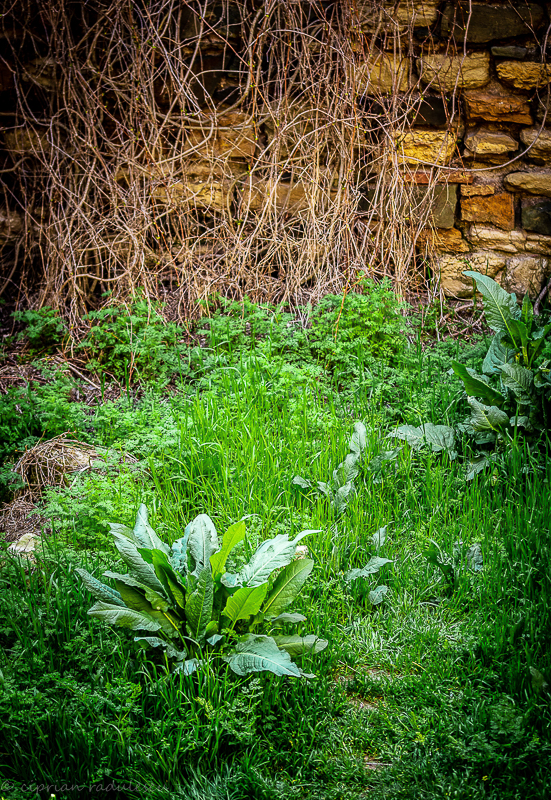
Greenbriers

Smilax. Smilax is a genus of about 300–350 species, found in the tropics and subtropics worldwide. In China for example about 80 are found (39 of which are endemic), while there are 20 in North America north of Mexico.They are climbing flowering plants, many of which are woody and/or thorny, in the monocotyledon family Smilacaceae, native throughout the tropical and subtropical regions of the world. Common names include catbriers, greenbriers, prickly-ivys and smilaxes. Sarsaparilla (also zarzaparrilla, sarsparilla) is a name used specifically for the Jamaican S. ornata as well as a catch-all term in particular for American species. Occasionally, the non-woody species such as the smooth herbaceous greenbrier (S. herbacea) are separated as genus Nemexia; they are commonly known by the rather ambiguous name carrion flowers. Greenbriers get their scientific name from the Greek myth of Crocus and the nymph Smilax. Though this myth has numerous forms, it always centers around the unfulfilled and tragic love of a mortal man who is turned into a flower, and a woodland nymph who is transformed into a brambly vine.

July 23, 2022

Exif
  • Copyright: Ciprian R.

July 23, 2022

Exif
  • Copyright: Ciprian R.

July 23, 2022

Exif
  • Copyright: Ciprian R.

July 23, 2022

Exif
  • Copyright: Ciprian R.

July 23, 2022

Exif
  • Copyright: Ciprian R.

July 23, 2022

Exif
  • Copyright: Ciprian R.

July 23, 2022

Exif
  • Copyright: Ciprian R.

July 23, 2022

Exif
  • Copyright: Ciprian R.

July 23, 2022

Exif
  • Copyright: Ciprian R.

July 23, 2022

Exif
  • Copyright: Ciprian R.